
Maybe your rent just went up again. Maybe you've started wondering what it would feel like to paint a wall without asking permission. Or maybe you actually like renting, and you're tired of people asking when you're going to "finally buy something."
Wherever you're sitting right now, the question tends to show up the same way: is buying a home actually better than renting?
The honest answer is that there isn't one answer. Not one that works for everyone, anyway. The right choice depends on your finances, your lifestyle, how settled you feel, what your next few years might look like, and what housing actually costs where you live.
This isn't a debate with a winner. It's a set of tradeoffs, and the goal here is to help you see them clearly enough to figure out which set fits your life better right now.
What Does "Buy or Rent" Really Mean?
Most people start by comparing their rent to what a mortgage payment might be. That's a reasonable instinct, but it leaves out a lot.
Owning a home usually means paying for more than the mortgage. There's property tax, homeowners insurance, maintenance, repairs, utilities, and possibly HOA fees. Upfront, there are closing costs and moving expenses. And over time, there are the things nobody plans for, like a water heater deciding its time has come.
Renting comes with its own set of costs too. Monthly rent, renters insurance, utilities depending on your lease, security deposits, moving expenses, and the possibility that rent goes up when your lease renews.
So if you're only lining up rent next to a mortgage payment, you're comparing two incomplete pictures. Understanding the full cost of each is where this decision actually gets useful.
The Case for Renting
Renting gets treated like a temporary phase people are supposed to grow out of, but for plenty of people it's a deliberate, sensible choice.
More Flexibility
If your job, family situation, or general plans might shift, renting makes it a lot easier to move when you need to. You're not tied to a property you'd need to sell first.
Lower Upfront Commitment
Depending on the rental and your situation, getting into a lease typically requires less money upfront than buying a home does. That can leave more breathing room in your savings.
Fewer Maintenance Responsibilities
When something major breaks in a rental, it's usually not your problem to solve or pay for. Lease terms and landlord responsibilities vary quite a bit, so it's worth reading yours closely, but renters generally aren't on the hook for major repairs.
Easier to Move
Changing neighborhoods, cities, or states is simply less complicated when you're renting. There's no listing, no showings, no closing process.
Useful When Things Are Uncertain
If you're not sure where you want to be long term, renting gives you time to figure that out without committing to a specific place.
The Case for Buying a Home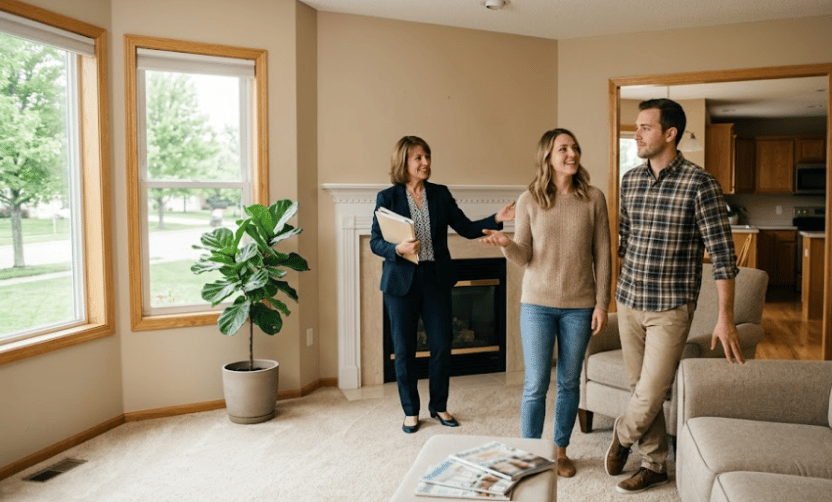
Buying isn't automatically the smarter move, but for a lot of people it fits well.
Building Equity
Equity is simply the difference between what your home is worth and what you still owe on it. As you pay down your mortgage, and if your home's value changes favorably, that equity may grow over time. Neither part is guaranteed in every situation, but it's one of the reasons people consider buying.
More Control Over the Home
Want to knock out a wall, repaint everything, or put in a garden? Owners generally have more freedom to make changes, subject to local rules, HOA restrictions, and permits where required.
Potential Long-Term Stability
If you want to stay put, owning can offer more housing stability than a lease that renews on someone else's terms.
A Home That Fits Your Longer-Term Plans
When you have a clear sense of where you want to live and you find a home that actually fits your needs, buying can make a lot of sense.
Potential Financial Benefits
Depending on your situation, there may be financial considerations that factor into your decision. These vary significantly based on your circumstances, so it's worth discussing them with a qualified professional rather than assuming they apply to you.
The Costs of Buying That People Sometimes Forget
This is where a lot of first-time buyers get caught off guard. The mortgage payment is the number everyone focuses on, but it's rarely the whole story.
Beyond the monthly payment, owning a home can involve:
- Closing costs when you purchase
- Property taxes, which vary a lot by location
- Homeowners insurance
- Ongoing maintenance
- Unexpected repairs
- Utilities, which may be higher than in a rental
- HOA fees, where applicable
- Appliance replacement
- Landscaping and yard upkeep
- Pest control
- Moving expenses
- Home improvements and furnishing
None of these are unusual. They're just part of owning a home, and they're worth factoring in before deciding what a "comfortable" monthly housing cost actually looks like for you.
The Costs of Renting That People Sometimes Forget
To be fair, renting has its own costs that don't always get talked about either.
- Rent can increase when your lease renews
- Security deposits and upfront costs
- Renters insurance
- Application or administrative fees, depending on the property
- Utilities that may not be included in your lease
- Moving expenses, especially if you move often
- Limited control over the property and what you can change
Rental costs vary significantly depending on the property, the landlord, the lease terms, and the location. Two apartments in the same city can come with very different expenses attached.
Buying Isn't Automatically Cheaper Than Renting
There's a common assumption that buying is always the financially smarter move because homeowners build equity while renters don't.
The reality is more complicated. Buying involves upfront costs, ongoing expenses, and responsibilities that renting doesn't. Whether it works out better financially depends on how long you stay, what happens with the property's value, what you spend on maintenance, and a whole list of factors nobody can predict with certainty.
That doesn't mean buying is a bad idea. It just means the math isn't as automatic as it sometimes gets presented. Look at the full cost of ownership, not just the mortgage payment, before assuming one option wins.
Renting Isn't the "Wasteful" Choice Either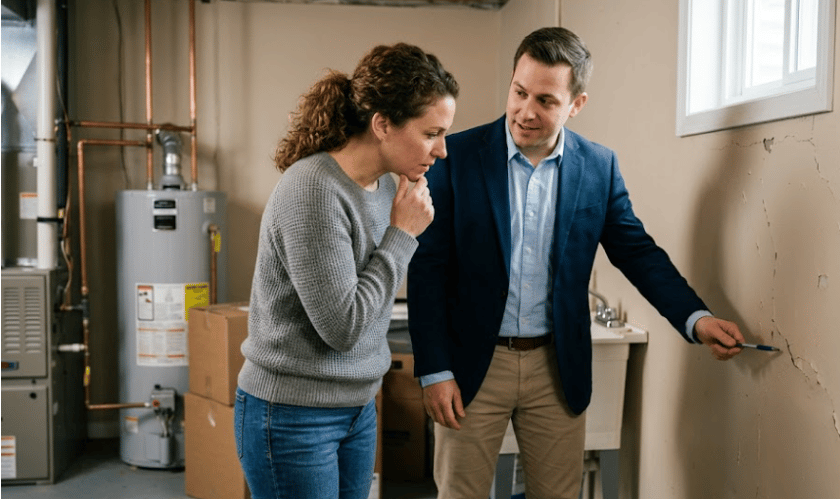
The flip side gets oversimplified too.
Renting provides real value. You're paying for a place to live, flexibility, and freedom from responsibility for major property costs. For someone whose life is in motion, or who simply prefers not to deal with home maintenance, that's not a waste. That's paying for something useful.
Plenty of people rent intentionally, not because they can't buy, but because renting genuinely fits their life better right now. That's a legitimate choice, not a placeholder.
How Long Do You Plan to Stay?
This might be the single most useful question in the whole decision.
Buying a home involves real transaction costs and effort on both ends, when you buy and when you eventually sell. If you expect to move again relatively soon, it's worth thinking carefully about whether those costs make sense for a shorter stay.
If you expect to stay in the same place for a longer stretch, the stability and control that come with ownership may carry more weight.
There's no universal cutoff here, and anyone who gives you one is oversimplifying. But being honest with yourself about your likely timeline will tell you a lot.
Think About Your Life, Not Just the Math
It's easy to turn this into a spreadsheet question. But housing decisions are lifestyle decisions too.
Worth thinking about:
- Where you actually want to live
- Whether you expect to move for work or family
- What your career plans look like
- Whether family plans might change your space needs
- How much you value flexibility versus stability
- How much maintenance responsibility you want
- Whether having control over your space matters to you
- How comfortable you are with unexpected home expenses showing up
A home, whether you own it or rent it, should support your life rather than create constant financial stress. If one option would leave you comfortable and the other would leave you stretched thin, that's meaningful information, even if the numbers look similar on paper.
Questions to Ask Yourself Before Buying or Renting
Sit with these honestly:
- Do I want to stay in this area for the foreseeable future?
- Am I financially comfortable with the full cost of homeownership, not just the mortgage?
- Do I have money available for upfront buying costs?
- Am I prepared for maintenance and unexpected repairs?
- How important is flexibility to me right now?
- Do I want more control over my living space?
- Would renting give me more breathing room financially?
- What are homes actually like in the area I want to live in?
- What does renting really cost in the neighborhoods I'm considering?
- What would owning cost beyond the mortgage payment?
- Am I buying because it makes sense for me, or because I feel like I'm supposed to?
When Renting May Make More Sense
Renting could be the better fit if:
- You may move in the foreseeable future
- Your career or location situation is uncertain
- Flexibility matters a lot to you right now
- You're not comfortable with the upfront costs of buying
- You'd rather not take on responsibility for major maintenance
- You haven't found a home that genuinely fits your needs
- Buying would put too much pressure on your budget
When Buying May Make More Sense
Buying could be the better fit if:
- You want more housing stability
- You expect to stay in the area for a while
- You're comfortable with the full cost of ownership
- You want more control over your living space
- You're prepared to take on maintenance responsibilities
- You've found a home that actually fits your needs
- The purchase fits your broader financial and lifestyle plans
Common Mistakes People Make When Deciding
These come up often, and none of them mean someone was careless. They usually just mean something got overlooked.
Comparing rent only to the mortgage payment. This leaves out taxes, insurance, maintenance, and everything else ownership involves.
Ignoring maintenance and repair costs. These aren't optional, and they're rarely predictable.
Assuming home values will always rise. Markets vary, and nothing is guaranteed.
Assuming renting will always be cheaper. Rent can increase, and costs vary widely by location.
Buying because friends or family say it's time. Their circumstances aren't yours.
Ruling out buying without exploring financing options. There may be more paths available than you assume.
Ignoring how long you actually expect to stay. This affects the math significantly.
Forgetting closing and moving costs. They add up on both sides of a purchase.
Stretching the budget just to become a homeowner. A home that causes constant financial stress isn't much of a win.
Assuming the national housing market reflects your local one. Conditions can look completely different from one area to the next.
Making the decision entirely on emotion. Excitement is fine. It just shouldn't be the only input.
Treating it as purely financial. Lifestyle, stability, and flexibility matter too.
Buying vs. Renting Checklist
Use this before you decide:
- I understand the full cost of renting where I'm looking
- I understand the full cost of owning, beyond the mortgage
- I have considered the upfront costs of each option
- I have thought about maintenance and repairs
- I understand what's happening in my local housing market
- I know how much flexibility matters to me right now
- I have thought honestly about how long I expect to stay
- I have considered my future plans
- I am comfortable with the financial responsibility of ownership
- I am not buying simply because I feel pressured to
- I am not renting simply because I assume buying is impossible
- I understand that there is no universal right answer here
Why Your Local Market Matters
Housing in the United States doesn't look the same from one place to the next, and national headlines rarely describe what's happening on your specific street.
Depending on where you're looking:
- Rent varies significantly by location
- Home prices vary just as much
- Available inventory differs by market
- Property taxes differ by state, county, and sometimes neighborhood
- Insurance costs vary based on location and local risks
- HOA structures and fees vary widely
- Rental demand can be very different from one area to another
- Financing conditions can affect buyers differently
The buy-versus-rent question can have different answers in different cities, and sometimes in different neighborhoods within the same city. It's worth understanding the specific market where you're actually considering living.
Homeownership Is Not a Race
If it feels like everyone around you is buying, that's worth setting aside for a moment.
Your friends, coworkers, and family members have their own finances, timelines, and circumstances. What worked for them doesn't automatically translate to your situation, and buying on someone else's schedule rarely ends well.
Renting for longer isn't a failure. Buying earlier isn't a win. The right move is the one that fits your actual life, whenever that happens to line up.
Frequently Asked Questions
Is it better to buy a home or rent?
Neither is universally better. The right choice depends on your finances, how long you expect to stay, your lifestyle preferences, and what housing costs in your local market.
Is buying a home cheaper than renting?
Not automatically. Owning involves upfront costs, property taxes, insurance, and maintenance beyond the mortgage payment. Whether it costs less depends on your specific situation and how long you stay.
Should I buy or rent right now?
That depends on your financial comfort, your plans, and your local market. It's worth looking at the full cost of both options before deciding.
What are the benefits of renting a home?
Renting can offer flexibility, lower upfront costs, and freedom from responsibility for major maintenance and repairs, depending on your lease.
What are the benefits of buying a home?
Buying may offer more stability, more control over your space, and the possibility of building equity over time, though nothing is guaranteed.
What costs should I consider when buying a home?
Beyond the mortgage, consider closing costs, property taxes, homeowners insurance, maintenance, repairs, utilities, HOA fees where applicable, and moving expenses.
What costs should I consider when renting?
Consider rent and potential increases, security deposits, renters insurance, utilities not covered by your lease, application fees, and moving costs.
How long should I plan to stay in a home before buying?
There's no universal rule. Buying involves transaction costs on both ends, so a longer expected stay generally makes those costs easier to justify.
Is renting really throwing money away?
No. Renting pays for housing, flexibility, and reduced maintenance responsibility. For many people, it's a deliberate choice that fits their current life.
Does buying a home always build wealth?
Not automatically. Equity may grow over time, but outcomes depend on market conditions, how long you own the home, and what you spend on it.
How do I know if I'm financially ready to buy a home?
Consider whether you're comfortable with upfront costs and the full ongoing cost of ownership, including maintenance and unexpected repairs. A lender can help you understand your options.
Can a real estate agent help me decide whether to buy or rent?
Yes. A local agent can help you understand what homes and rentals actually cost in your area, compare your options honestly, and think through what ownership would involve for you.
There's no version of this decision where one answer is right for everyone. Buying works beautifully for some people and creates real stress for others. Renting is the smart, deliberate choice for plenty of people who could technically afford to buy.
What matters is understanding what each option actually costs, being honest about your plans, and paying attention to your own circumstances instead of everyone else's.
If you're trying to figure out where you land, the Reali team is happy to talk it through with you. We can walk you through what homes and rentals look like in your area, help you understand what ownership would actually involve, and answer questions without steering you toward either option. No pressure either way.