Home Inspections Explained: What to Expect and Why They Matter
You found a home you love. Your offer got accepted, and now someone on your team is telling you it's time to schedule a home inspection.
For a lot of buyers, that's when the questions start piling up. What exactly happens during an inspection? What if the inspector finds something wrong? Does that mean the house is a bad idea?
Take a breath. A home inspection isn't a test the house has to pass or fail. It's simply a way for you to understand what you're actually buying before you sign on the dotted line. Once you know what to expect, the whole process feels a lot less intimidating.
What Is a Home Inspection?
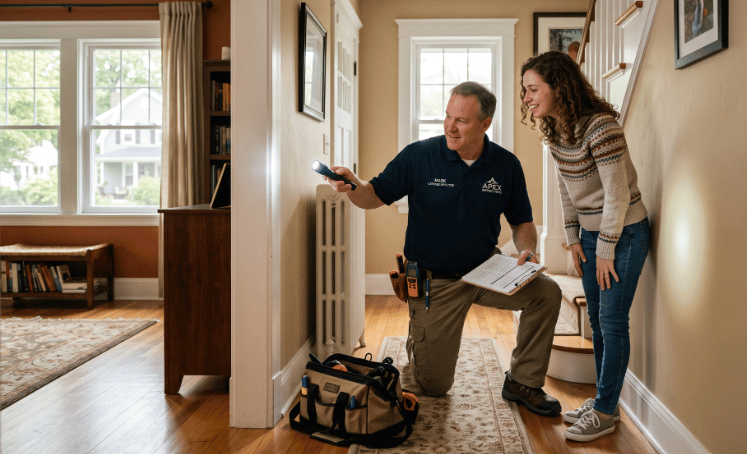
A home inspection is a professional's visual examination of a home's condition. An inspector walks through the property, looks at accessible areas and major components, and documents anything that looks like it needs attention.
A Home Inspection differs from a few other things you may hear about during the buying process. It's not the same as an appraisal, which is about the home's market value. It's not a pest inspection, a specialized structural evaluation, a sewer scope, a roof certification, or a contractor's repair estimate. Some of those may come up separately, depending on what your general inspector finds or recommends.
For most buyers, the general home inspection is the first and most important look at the condition of the property, beyond what you can see during a showing.
Why Does a Home Inspection Matter?
A showing gives you a feel for the layout, the light, the finishes. It doesn't tell you much about what's happening behind the walls or above the ceiling.
A home inspection helps fill in that picture. It can help you:
- Understand the real condition of the home, not just how it looks.
- Notice issues that are easy to miss during a showing.
- Learn how the major systems work and what shape they're in.
- Get a sense of what maintenance might be coming.
- Make a more informed decision about moving forward.
This is part of why skipping an inspection, even to make an offer more appealing, is worth thinking through carefully. It can save you time upfront, but it also means buying without a clear picture of what you're taking on.
What Does a Home Inspector Check?
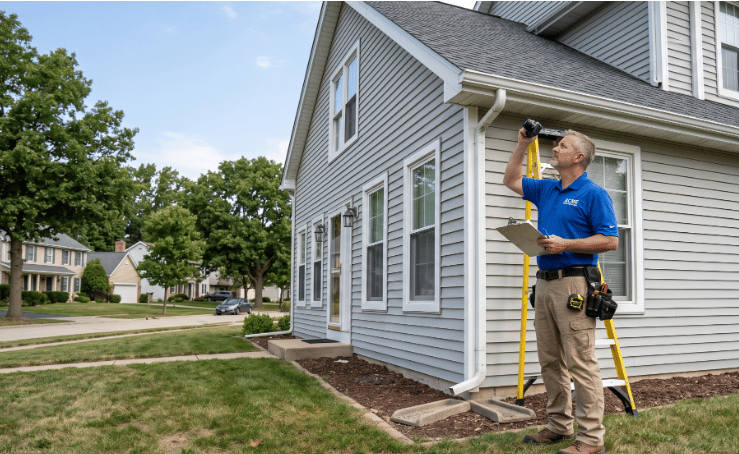
Every inspector works a little differently, but most inspections cover the same general areas.
Roof
Inspectors typically look for visible signs of damage, wear, or leaks, along with the general condition of the roofing material.
Foundation and Structure
They'll look for visible signs of movement, cracking, or moisture that could point to a structural concern. An inspector isn't there to diagnose the cause of a structural issue, but they can flag it as something worth a closer look.
Plumbing
This includes visible pipes, fixtures, drainage, and the water heater, along with any signs of leaks or water damage.
Electrical System
Inspectors examine visible electrical components and look for potential safety concerns, without getting into deep technical detail about the wiring itself.
Heating and Cooling
The HVAC system gets checked for visible condition and basic operation, so you have a sense of what you're working with.
Interior
This covers walls, ceilings, floors, windows, doors, stairs, and attic areas where the inspector can access them.
Exterior
Outside, inspectors typically look at siding, exterior doors, walkways, drainage, decks, porches, and other visible components.
Kitchen and Appliances
If appliances are included in the sale, inspectors often check their visible condition and basic function as well.
Keep in mind that the exact scope can vary depending on the inspector, the property, and what's included in your inspection agreement. It's worth asking upfront what's covered.
What a Home Inspection Does NOT Tell You
Here's something worth understanding upfront: a home inspection is not a guarantee.
Inspectors can only look at what's visible and accessible. They generally can't see behind walls, under flooring, or inside areas that aren't reachable. That means an inspection might not catch every issue, and it doesn't tell you exactly how much longer a given system will last.
It also doesn't replace a specialized inspection when something specific comes up. If your inspector notices a concern that might need a closer look from a structural engineer, plumber, electrician, roofer, or pest professional, that's a sign to bring in that specialist, not a reason to assume the worst.
Think of a home inspection as a snapshot. It's a helpful, honest look at the home's condition at that moment in time, not a complete guarantee about everything that could ever go wrong.
What to Expect During the Inspection
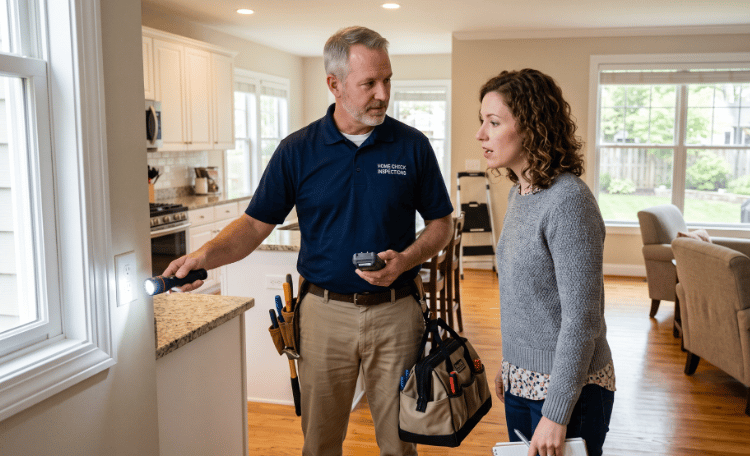
The inspection itself is more detailed than a typical showing, but it's a fairly straightforward process.
Generally, here's how it goes:
- The inspector arrives at the property and works through it systematically
- They examine accessible areas and major systems room by room
- They document anything that looks like it needs attention
- They often take photos along the way
- They put everything together into an inspection report afterward
Depending on the size and condition of the home, the process can take a while. If you're able to attend, it's worth carving out time to be there.
Should You Attend the Home Inspection?
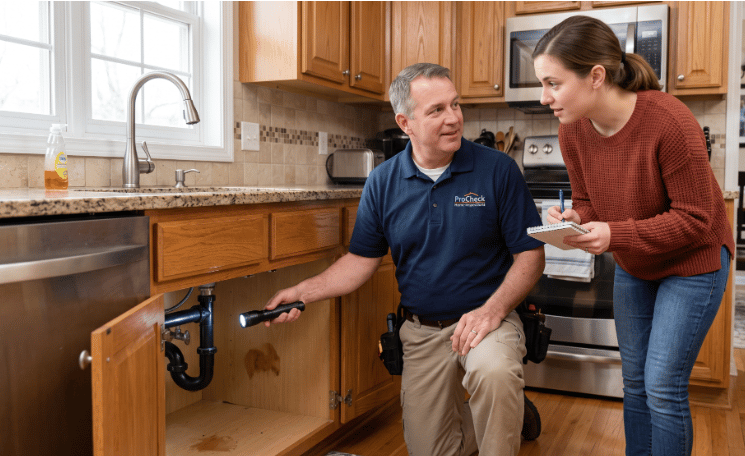
You're not required to be there, but attending has real advantages.
Being present means you can:
- Ask questions in real time
- See issues firsthand instead of just reading about them later
- Learn practical things about how the home works
- Better understand the written report once you receive it
That said, attending isn't always realistic. Work schedules, distance, and timing don't always cooperate. If you can't be there in person, make sure to review the report closely afterward and don't hesitate to ask the inspector or your agent questions about anything that isn't clear.
The Home Inspection Report

After the inspection, you'll receive a written report that pulls everything together.
It typically includes:
- Photos of the property and specific areas of concern
- Descriptions of what the inspector observed
- Areas that may need attention
- General maintenance recommendations
- Any safety concerns
- Suggestions for further evaluation by a specialist, if needed
Here's the honest truth: inspection reports can look overwhelming at first glance. They tend to include a lot of information, and it's easy to assume every item listed is a major red flag. In reality, plenty of items in a typical report are routine maintenance notes or minor observations, not signs of a serious problem. The real skill is learning to tell the difference.
What If the Inspection Finds Problems?
This is usually where buyers start to feel anxious, but finding problems doesn't automatically mean you should walk away from the home.
Instead, it helps to think through:
- What exactly was found
- How serious the issue actually is
- Whether it needs further evaluation from a specialist
- Whether it's urgent or something that can wait
- Whether it affects safety
- Whether it changes how you feel about the home
- What your purchase contract allows you to do about it
Depending on your contract, local practices, and the specific situation, you may have options such as asking the seller to make repairs, requesting a credit, negotiating other terms, accepting the property as-is, or continuing forward without changes. What's available to you depends entirely on your contract and circumstances, so this is a conversation worth having with your real estate agent rather than assuming you automatically have a particular right.
Don't Panic Over a Long Inspection Report
If your report comes back with a long list of findings, try not to spiral. Almost every home, even a newly built one, has something an inspector will note.
The goal is learning to sort through what actually matters. That generally means separating:
- Minor maintenance items
- Cosmetic issues
- Normal wear and tear
- Genuine safety concerns
- Major system problems
- Potential structural concerns
- Anything that needs a specialist's evaluation
A long report isn't automatically a red flag. It's just thorough. Focus your energy on the handful of items that genuinely affect the home's safety, function, or value, rather than getting stuck on every single line.
Common Home Inspection Mistakes Buyers Make
A few patterns show up again and again, and they're easy to avoid once you know what to watch for.
Skipping the inspection to make an offer more competitive. This can feel like a way to stand out, but it also means buying without a clear picture of the home's condition.
Treating the inspection like a pass or fail test. Almost no home passes with a completely clean report, and that's normal.
Assuming a newer home doesn't need an inspection. New construction can still have issues, sometimes ones related to how quickly it was built.
Focusing only on cosmetic problems. A scuffed wall is easy to notice, but it matters far less than an aging roof or an outdated electrical panel.
Ignoring major systems. Roofs, foundations, plumbing, and HVAC deserve more attention than paint color.
Not attending when they could have. Seeing issues firsthand often makes the written report much easier to understand later.
Not actually reading the report. Skimming the summary and skipping the details can mean missing something important.
Not asking questions. Inspectors and agents are there to help you understand what you're looking at.
Assuming every recommendation means an urgent repair. Many notes are routine maintenance suggestions, not emergencies.
Making decisions before understanding how serious something is. It's worth getting clarity before reacting.
Assuming the seller has to fix everything. What a seller is willing or required to do depends on the contract and negotiation, not on the report alone.
Forgetting that inspection rights depend on the purchase contract. Every contract is different, so it's worth understanding yours specifically.
How to Choose a Home Inspector

Not all inspectors approach the job the same way, so it's worth putting some thought into who you hire.
Look for:
- Relevant licensing or certification where your state requires it
- Solid professional experience
- Clear, easy-to-understand communication
- A sample report you can review beforehand
- Good reviews or a personal recommendation
- Appropriate insurance coverage
- An inspection scope that actually matches your property type
Before you schedule anything, make sure you understand exactly what's included in the inspection and what isn't. That way there are no surprises about what the inspector will and won't cover.
Questions to Ask Your Home Inspector
Before or during the inspection, it helps to ask:
- What does your inspection cover?
- What areas are excluded?
- Can I attend the inspection?
- When will I receive the report?
- How should I interpret the major findings?
- Which issues should I address first?
- Does anything here need a specialist's evaluation?
- Are there any signs of water intrusion?
- What can you tell me about the major systems?
- Are there any safety concerns I should understand?
A good inspector will welcome these questions and take the time to walk you through their answers.
Home Inspection Checklist for Buyers
Use this as a quick gut check as you go through the process:
- I understand what the inspection covers
- I know whether I can attend
- I have asked about areas the inspector can't access
- I understand that an inspection is not a guarantee
- I have reviewed the major findings
- I understand which issues may need specialist evaluation
- I have discussed important findings with my real estate agent
- I understand what my contract allows me to do
- I have considered the home's condition alongside its other features
- I feel comfortable with the information I have before moving forward
Home Inspection vs. Appraisal
These two terms get mixed up often, but they serve completely different purposes.
Home inspection: Looks at the physical condition of the home, including its systems and structure.
Appraisal: Provides an opinion of the property's market value, typically for the lender's purposes as part of your mortgage.
One tells you about the home's condition. The other tells you about its value. You'll likely deal with both during the buying process, and they're not interchangeable.
Frequently Asked Questions
What is a home inspection?
A home inspection is a professional's visual examination of a home's condition, covering major systems and accessible areas of the property.
Why is a home inspection important when buying a house?
It helps you understand what you're actually buying, beyond what you can see during a showing. It can reveal maintenance needs, safety concerns, and the general condition of major systems before you finalize the purchase.
What does a home inspector check?
Inspectors generally look at the roof, foundation, plumbing, electrical system, HVAC, interior, exterior, and included appliances. The exact scope can vary by inspector and property.
What should I expect during a home inspection?
The inspector will work through the home systematically, examining accessible areas and documenting anything that needs attention. It typically takes longer than a standard showing, depending on the size and condition of the home.
Should I attend the home inspection?
Attending isn't required, but it can help you understand the findings firsthand and ask questions in real time. If you can't attend, review the written report carefully afterward.
What happens if a home inspection finds problems?
Finding problems doesn't automatically mean you should walk away. It's worth understanding how serious the issue is, whether it needs further evaluation, and what your contract allows you to do about it.
Can a home inspection cause a buyer to back out?
Depending on your contract and an inspection contingency, if one applies, buyers may have options to negotiate or reconsider the purchase. What's available to you depends on your specific agreement and local practices.
What is included in a home inspection report?
Reports typically include photos, descriptions of observed conditions, areas needing attention, maintenance suggestions, safety concerns, and recommendations for further evaluation where relevant.
Do new homes need a home inspection?
Yes. New construction can still have issues, and an inspection helps confirm the home was built and finished properly.
How do I choose a home inspector?
Look for relevant licensing, solid experience, clear communication, a sample report, good reviews, and appropriate insurance. Make sure you understand what's included before scheduling.
What is the difference between a home inspection and an appraisal?
A home inspection evaluates the physical condition of the property. An appraisal provides an opinion of the property's market value, usually for the lender.
A home inspection isn't there to make buying a home stressful. It's there to give you more information, so you can walk into one of the biggest purchases of your life with a clearer picture of what you're actually getting.
Finding a few things that need attention doesn't mean you found the wrong house. It usually just means you found a normal one. What matters is understanding what you're looking at and knowing your options from there.
If an inspection report has you feeling unsure about what to do next, you don't have to sort through it solo. The Reali team can help you make sense of the findings, figure out which questions to ask, and think through your options before you decide what's next. Reach out whenever it's useful. No pressure, just a second set of eyes and honest guidance.
Disclaimer : This article is for informational purposes only and does not constitute formal real estate or legal advice. Consult a local professional for specific guidance.