
Preparing Your Home for Sale: A Practical Checklist
Selling your home is exciting, but it can also feel overwhelming the moment you start thinking about what comes next. Before buyers ever walk through your front door, most homeowners find themselves wondering the same thing: what should I fix, clean, or change?
Here's some reassurance right up front. Preparing your home for sale isn't about making it perfect. It's about helping buyers walk in and picture themselves living there. That's a much more manageable goal than chasing perfection, and it's one every homeowner can reach with a little planning.
This checklist walks through exactly what to focus on, room by room, so the process feels less like a mystery and more like a plan.
Why Preparing Your Home Before Listing Matters
First impressions happen quickly. Buyers often decide how they feel about a home within the first few moments of walking through the door, and sometimes even earlier, based on the listing photos alone.
A well-prepared home helps buyers imagine their own life there instead of getting distracted by clutter, unfinished repairs, or spaces that feel neglected. It also signals something important: that the home has been cared for. Buyers tend to feel more confident making an offer on a home that looks well-maintained, because it suggests fewer hidden surprises down the road.
None of this requires a total transformation. It just requires some thoughtful preparation before your home hits the market.
Start With a Fresh, Clean Home
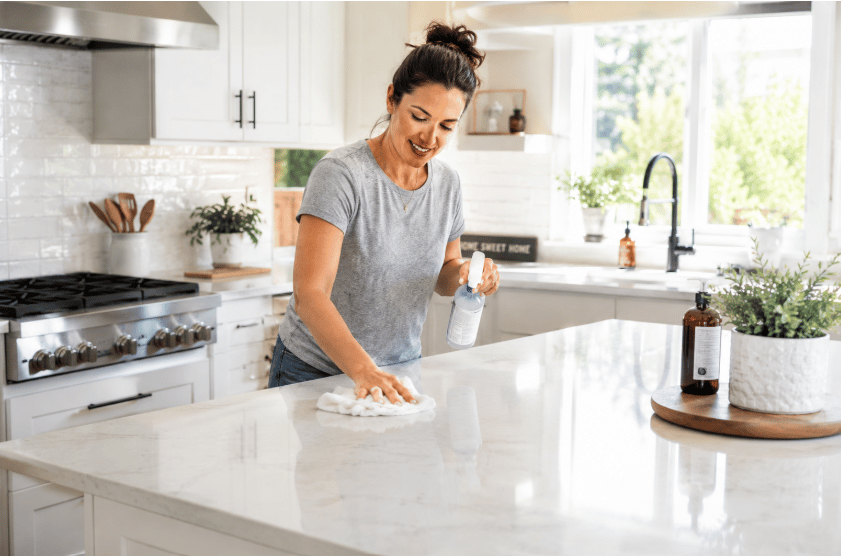
Cleaning might be the simplest and most effective thing you can do before listing. A truly clean home feels cared for, and buyers notice the difference immediately.
Focus on:
- Deep cleaning every room, not just a quick tidy-up
- Washing windows, inside and out
- Scrubbing floors and refreshing grout where needed
- Wiping down kitchen counters, cabinets, and appliances
- Cleaning bathroom tile, fixtures, and mirrors until they shine
- Dusting surfaces, baseboards, and ceiling fans
- Cleaning light fixtures and replacing dim or flickering bulbs
- Addressing pet odors thoroughly, not just masking them
- Taking out trash and recycling before every showing
A home that smells fresh and looks spotless creates an immediate sense of trust with buyers, even before they notice anything else.
Declutter Every Room
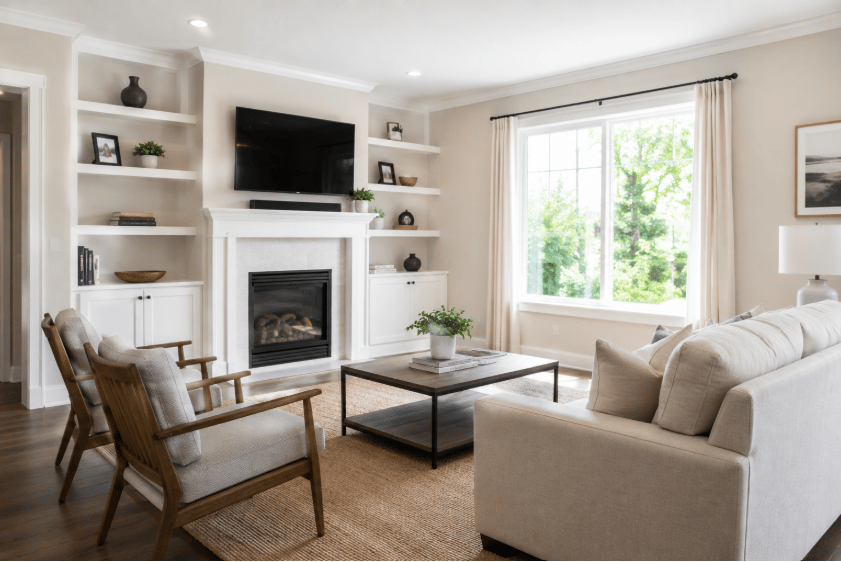
Clutter is one of the fastest ways to make a room feel smaller and busier than it actually is. Removing excess belongings helps every space feel more open and easier to picture yourself living in.
Focus on:
- Clearing kitchen counters down to the essentials
- Clearing bathroom counters of personal products
- Thinning out closets so they don't look overstuffed
- Simplifying shelves and bookcases
- Organizing storage areas so they look intentional, not chaotic
- Tidying the laundry room
- Clearing out the garage
- Simplifying the entryway so it feels welcoming, not crowded
Less clutter means more visual space, and more visual space means brighter, more inviting rooms. This is one of the highest-impact changes you can make without spending much at all.
Make Small Repairs Buyers Notice
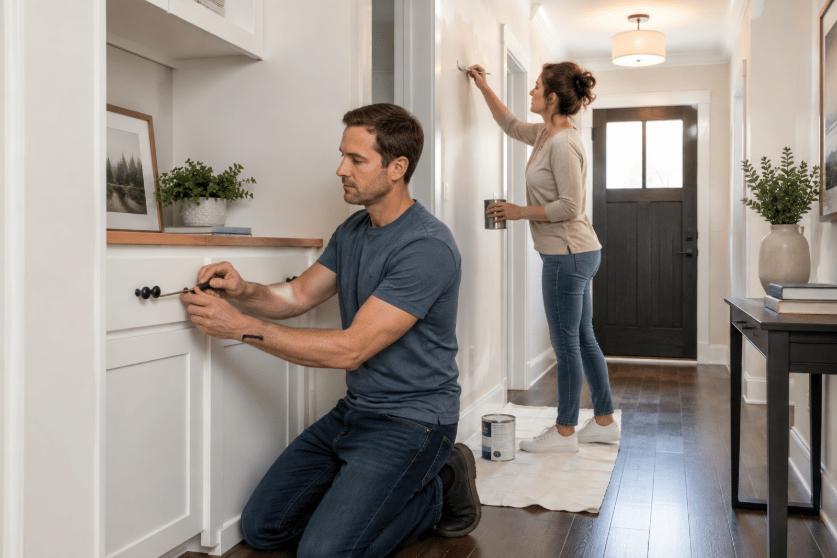
You don't need to renovate your entire home before selling. But small, unfinished repairs tend to catch a buyer's eye, and they can raise questions about what else might be neglected.
Take care of things like:
- Leaky faucets
- Loose cabinet or drawer handles
- Squeaky doors
- Burned-out light bulbs
- Small holes in the wall
- Chipped or peeling paint
- Torn or damaged window screens
- Sticky doors that don't close smoothly
- Cracked caulking around tubs, sinks, or windows
These are usually quick, affordable fixes. But left undone, they can make buyers wonder what larger maintenance issues might be hiding behind the scenes.
Improve Curb Appeal
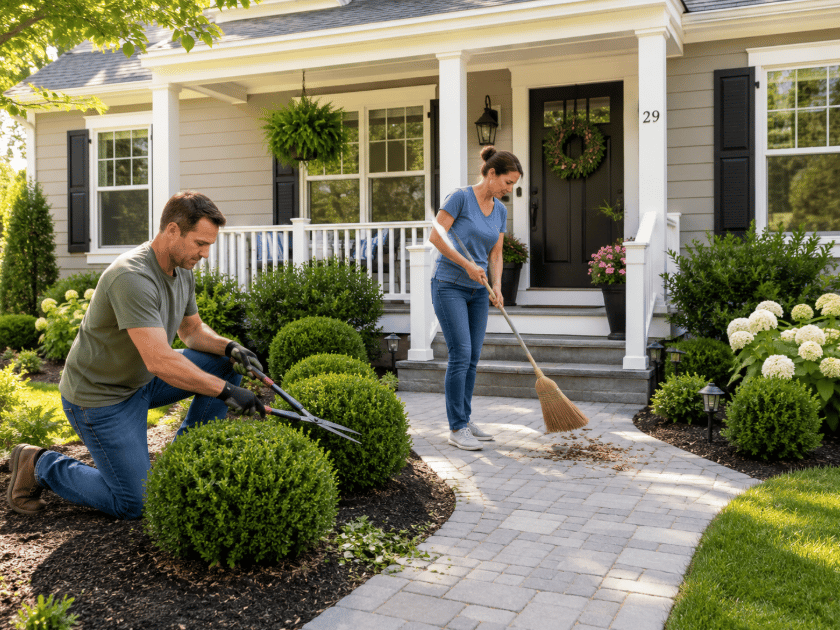
Buyers form an opinion about your home before they even step inside. The exterior sets the tone for everything that follows.
A few simple updates can make a big difference:
- Mow the lawn regularly leading up to listing
- Trim overgrown shrubs and bushes
- Sweep walkways and entry areas
- Add fresh mulch to garden beds where it makes sense
- Keep plants and landscaping healthy and tidy
- Clean or refresh the front door
- Tidy up the porch area
- Check that outdoor lighting works properly
- Make sure house numbers are visible and easy to read
- Straighten or refresh the mailbox
- Clear any clutter from the yard, like toys, tools, or bins
A home that looks cared for from the street invites buyers to feel excited about what's inside.
Let Natural Light In
Bright spaces feel more welcoming, and natural light is one of the easiest ways to make your home feel open and cheerful.
Before showings:
- Open curtains and blinds to let sunlight in
- Clean windows so light isn't dulled by dust or streaks
- Replace heavy, dark drapes with lighter options if needed
- Turn on lights throughout the home, even during the day
- Pay attention to darker corners or rooms that could use extra lighting
A bright home photographs better and feels more inviting in person, both of which matter a great deal to buyers.
Neutralize Personal Spaces
Your home is full of memories, but buyers need to picture their own life there, not yours. That means dialing back some of the personal touches, at least temporarily.
Consider putting away:
- Family photos
- Personal collections
- Bold or highly personalized decor
- Seasonal decorations
- Children's artwork
- Rooms designed around a very specific personal taste
This doesn't mean your home has to feel empty or impersonal. It just means creating enough of a blank canvas that buyers can imagine their own furniture, their own photos, and their own life filling the space.
Stage Your Home Without Overdoing It
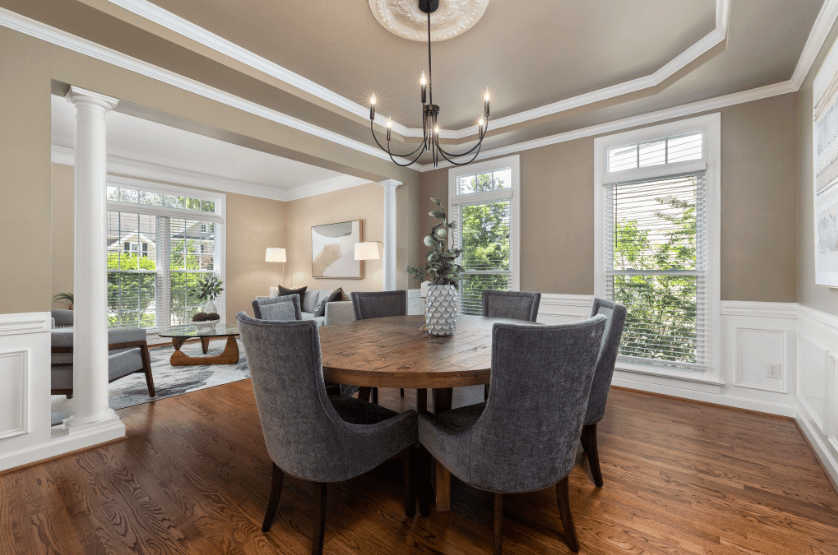
Staging doesn't have to mean hiring a professional or redecorating from scratch. Simple, thoughtful touches can go a long way toward helping buyers connect with your home.
Try:
- Arranging furniture to highlight natural flow between rooms
- Adding fresh towels in bathrooms
- Putting out fresh, neatly made bedding
- Setting a simple, clean table setting in the dining area
- Adding fresh flowers or greenery in a few key spaces
- Making the living room feel cozy and inviting
- Keeping the home office looking organized and functional
The goal of staging isn't to decorate for someone else's taste. It's to highlight your home's space and potential, so buyers can imagine how they might use it.
Don't Forget Closets, Storage, and Garage
Buyers open closets. They peek into pantries. They check out the garage. Storage space is a real factor in most buying decisions, so it's worth paying attention to these areas, not just the rooms buyers will spend the most time in.
Focus on:
- Organizing closets so they look spacious, not crammed
- Folding and arranging clothes neatly
- Removing extra boxes or rarely used items
- Tidying up the garage
- Organizing the basement, if you have one
- Straightening the pantry so shelves look organized
A well-organized storage space signals that the home has plenty of room, and that it's been well cared for throughout.
Create a Welcoming Feeling During Showings
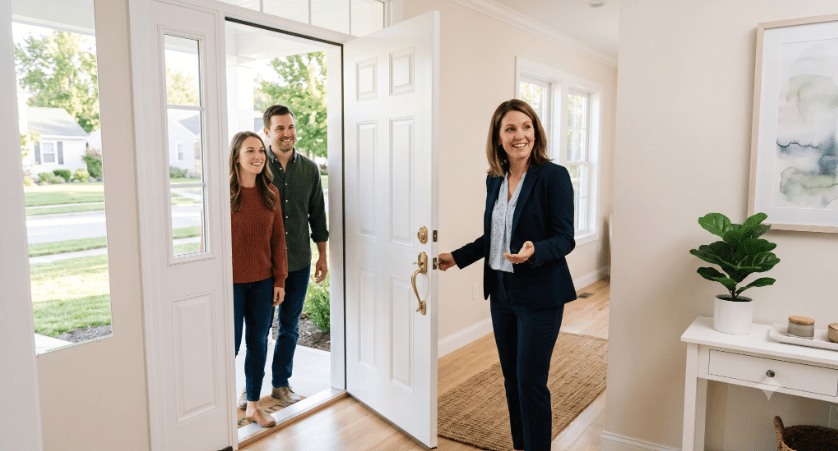
Once your home is clean, decluttered, and staged, the final piece is making sure it feels welcoming the moment buyers walk in for a showing.
Keep these details in mind:
- Make sure the home smells pleasant and fresh, not heavily scented
- Set a comfortable indoor temperature
- Keep the environment quiet and calm during showings
- Use soft, warm lighting rather than harsh overhead light
- Let in fresh air before buyers arrive, if possible
- Put away pet bowls, beds, or toys when you can
These small touches help buyers feel comfortable and relaxed, which makes it easier for them to picture themselves living there.
What Not to Spend Money On Before Selling
It's natural to want your home to shine before listing, but that doesn't mean you need to renovate everything.
Be cautious about:
- Major remodels, like full kitchen or bathroom overhauls
- Luxury upgrades that may not match what buyers in your market expect
- Projects that buyers may not personally value or notice
- Highly personal design choices that reflect your taste more than a general buyer's
Big projects take time, money, and effort, and they don't always translate into a stronger sale. A local real estate agent can help you figure out which updates are genuinely worth making for your specific home and market, and which ones you can skip entirely.
The Ultimate Home Selling Checklist
Use this as a quick reference as you get your home ready to list:
- Deep cleaned every room
- Decluttered living spaces
- Organized closets and storage areas
- Finished small repairs throughout the home
- Improved curb appeal
- Cleaned windows inside and out
- Removed personal items and family photos
- Freshened up the kitchen
- Freshened up the bathrooms
- Added simple, welcoming touches like fresh flowers or towels
- Organized the garage and other storage spaces
- Made sure the home is ready for listing photos
- Made sure the home is ready for in-person showings
If you can check off most of these, your home is in great shape to make a strong first impression.
Common Mistakes Sellers Make Before Listing
A few missteps show up again and again, and they're easy to avoid once you know to look for them.
Waiting until listing day to clean. A deep clean takes time, and rushing it at the last minute usually shows.
Ignoring small repairs. Minor issues can create doubt in a buyer's mind about the overall condition of the home.
Leaving too much clutter. Even a beautiful home can feel cramped and uninviting when it's full of extra belongings.
Overpersonalizing the home. It's hard for buyers to picture their own life in a space that feels entirely shaped around someone else's.
Spending too much on renovations. Not every upgrade is worth the cost, especially major projects that buyers may not value the way you expect.
Forgetting curb appeal. The exterior sets expectations before buyers even step through the door.
Not preparing for listing photos. Most buyers browse photos online first, so a home that isn't photo-ready can lose interest before anyone schedules a showing.
Keeping closets overstuffed. Buyers open closets, and cramped storage can make the whole home feel smaller than it is.
Using strong scents or air fresheners. Heavy fragrances can feel overwhelming or even raise questions about what's being covered up.
Not asking an agent what buyers notice. A local agent sees these patterns constantly and can help you prioritize what will genuinely make a difference.
Frequently Asked Questions
How do I prepare my home for sale?
Start with a deep clean, then declutter, handle small repairs, and focus on curb appeal. From there, simple staging and good lighting can help buyers picture themselves living in the space.
What should I fix before selling my house?
Focus on small, noticeable issues like leaky faucets, loose handles, squeaky doors, and chipped paint. These are usually simple to address and can make a meaningful difference in how buyers perceive the home.
Is staging necessary before selling a home?
Staging isn't required, but simple touches, like arranging furniture thoughtfully and adding fresh, neutral details, can help buyers connect with the space and picture it as their own.
Should I repaint before selling my home?
A fresh coat of paint in neutral tones can make a home feel cleaner and more updated. It's one of the more affordable improvements that tends to make a noticeable difference.
How important is curb appeal?
Very important. Buyers form an impression of your home before they even walk through the door, so a tidy, welcoming exterior sets the tone for the entire showing.
Should I declutter before selling my home?
Yes. Decluttering helps rooms feel larger, brighter, and easier for buyers to imagine themselves living in. It's one of the most effective and affordable things you can do before listing.
Do buyers look inside closets?
Yes, buyers regularly check closets, pantries, and storage areas. Keeping these spaces organized helps the home feel more spacious and well cared for.
What should I avoid spending money on before selling?
Avoid major remodels or luxury upgrades that may not align with what buyers in your market are looking for. A local agent can help you prioritize updates that are actually worth the investment.
Getting your home ready to sell doesn't have to feel overwhelming. When you break it down into clear, manageable steps, cleaning, decluttering, small repairs, and a little curb appeal, it becomes a lot more approachable than trying to do everything at once.
Remember, the goal isn't perfection. It's helping buyers walk through the door and picture their own life unfolding there.
Every home is a little different, and so is every seller's list. If you want help figuring out where to start, or just want someone to tell you honestly what's worth fixing, the Reali team is around whenever you're ready to talk it through.