
You've been saving for months. You've watched your down payment fund grow, checked listings during your lunch break, and finally found a home that feels right. The purchase price fits your budget, your mortgage payment feels manageable, and you're ready to make an offer.
Then the keys are in your hand, and suddenly there's a moving truck to pay for, an insurance bill to figure out, and a leaky faucet that wasn't there during the walkthrough.
This is a familiar moment for a lot of buyers. The purchase price is the headline number, the one you see on the listing and compare between homes. But the true cost of buying a home includes everything that comes after that number, too. Understanding what's ahead of time doesn't just help you avoid surprises. It helps you buy a home that actually fits your life, not just your loan approval.

The Purchase Price Is Only the Beginning
When you're house hunting, it's easy to fixate on the listing price. It's the number that shows up in search results, the one you compare from home to home, and the one that determines whether a property even makes it onto your list.
But the amount you agree to pay the seller is different from the total amount of money it will take to actually buy, move into, and live in that home. Between the offer and the closing table, there are fees to pay. Between closing and moving day, there are logistics to handle. And once you're settled in, there are ongoing costs of owning a home that a lease never included.
None of this means buying a home is a bad idea. It just means the purchase price is only one part of a bigger picture, and it helps to see the whole picture before you commit.
Closing Costs Buyers Often Forget
Closing costs tend to catch buyers off guard, mostly because they're easy to overlook while you're focused on saving for a down payment. These are the fees associated with finalizing your mortgage and officially transferring ownership of the home.
Some of the more common closing costs include:
- Lender fees for processing and underwriting your loan
- The appraisal, which confirms the home's value to your lender
- Your home inspection
- Title-related expenses, which confirm the seller actually owns the home free and clear
- Legal or settlement services, depending on your state
- Prepaid property taxes and homeowners insurance
- HOA-related charges, if the property is part of an association
The exact combination of fees, and how much they add up to, depends on your lender, your location, the property itself, and the details of your transaction. That's why it's worth reviewing your Loan Estimate closely when you get it, and comparing it to your Closing Disclosure before your closing date. If a fee doesn't make sense to you, ask your lender to explain it. A good lender should be happy to walk you through every line.

The Cost of Moving Into Your New Home
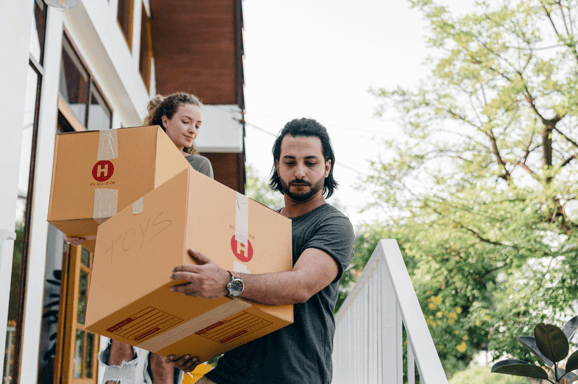
Once you've closed, the spending doesn't stop. It just shifts from paperwork to boxes.
Movers or a moving truck rental are usually the first big expense that comes to mind, but the smaller costs tend to sneak up on people. Packing supplies, new locks or a security system upgrade, cleaning before and after the move, and setting up utilities can all add up faster than expected.
Then there's furnishing the place. Maybe your old apartment didn't have room for a dining table, or your new living room has a completely different layout than your last one. Curtains, blinds, furniture, and all the small household items that make a house feel functional tend to get purchased in a short window right after move-in, which is exactly why this stretch of time often feels more expensive than people plan for.
None of these costs are unusual. They're simply part of what it costs to actually live in the home you bought, not just to own it on paper.
Homeowners Insurance and Property Taxes
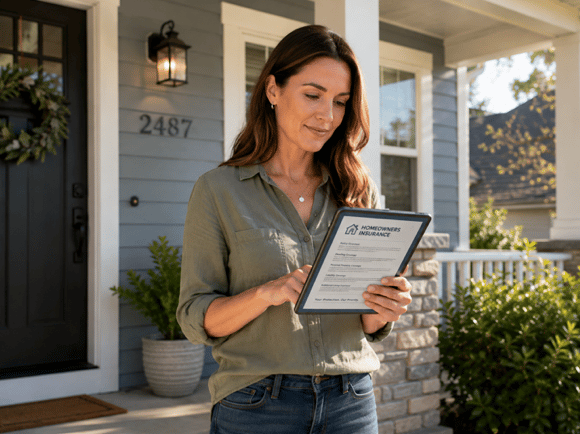
Once you're settled in, two costs will follow you for as long as you own the home: homeowners insurance and property taxes.
Property taxes vary significantly depending on where you buy. Different states, counties, and even neighborhoods can have very different tax rates and assessment practices, so a home's property tax bill is something worth researching specifically for the area you're considering, rather than assuming it will be similar to somewhere you've lived before.
Homeowners insurance works similarly. Your premium depends on the home itself, its age, its location, the coverage you choose, and the risks common to your area, whether that's severe weather, flooding, wildfire, or something else entirely. Two homes with the same price tag can have very different insurance costs.
Both of these expenses are usually included in your monthly mortgage payment through an escrow account, which means they directly affect what "affordable" really looks like for you. It's worth getting a sense of both before you fall in love with a specific home, not after.
HOA Fees and Other Property-Specific Costs
Not every home comes with an HOA, but if yours does, it's a cost that's easy to underestimate.
HOA dues can go toward maintaining shared amenities, landscaping common areas, upkeep on shared structures, or covering community services. In some communities, these fees cover quite a lot. In others, they cover very little. The only way to know is to read the HOA documents closely and ask questions before you buy, so you understand exactly what you're paying for and what's still your responsibility.
HOAs aren't inherently good or bad. For some buyers, the shared upkeep and amenities are worth every bit of the fee. For others, the added cost and rules aren't the right fit. Either way, it's a cost that belongs in your overall picture of what the home will actually cost you each month.
Maintenance Is Part of Homeownership
Here's one of the biggest mental shifts that comes with buying a home: when something breaks, there's no landlord to call.
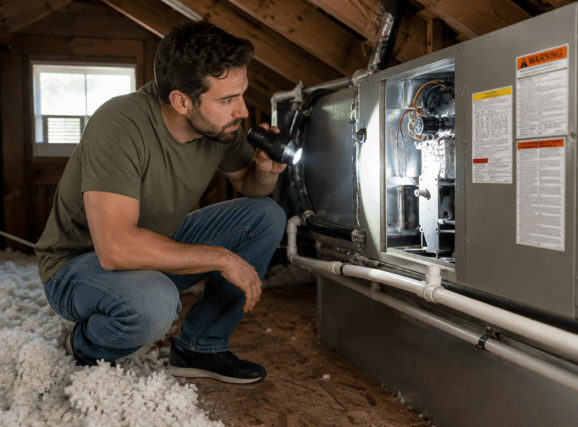
As a homeowner, you're generally responsible for maintaining the property, and that responsibility covers a wide range of things. Roofs need repair or replacement eventually. HVAC systems need regular maintenance and, at some point, replacement. Plumbing and electrical issues come up. Appliances wear out. Pests show up uninvited. Landscaping needs attention, exteriors need upkeep, and paint fades over time.
None of this is meant to scare you. It's simply the nature of owning a home instead of renting one. The unpredictable part is when these things will need attention, not whether they eventually will. That unpredictability is exactly why it helps to leave some room in your budget for maintenance and repairs, rather than assuming your mortgage payment is the only housing expense you'll ever have.
Buyers who go in with this expectation tend to feel far less rattled when something inevitably needs fixing. It's not a sign you bought the wrong home. It's just part of owning one.
Utilities Can Be Different From What You Expect
If you're moving from an apartment to a house, or from a smaller home to a larger one, your utility costs may look very different than you're used to.
A home's size, age, insulation, and HVAC system all affect how much energy it takes to heat and cool it. Climate plays a role too, along with things like water usage for a yard or garden, which most apartment living never required.
Before you buy, it's worth asking the seller or your agent about typical utility costs for the property, and paying close attention to the age and condition of major systems during your inspection. A newer, well-insulated home may cost noticeably less to run month to month than an older one with outdated systems, even if the purchase prices are similar.
The Cost of Making the Home Feel Like Yours
Beyond the essentials, there's usually a phase of spending that comes from wanting your new house to actually feel like your home.
This might mean new furniture for rooms that were empty in your old place, paint colors that reflect your taste, window treatments, landscaping updates, storage solutions, or smart-home devices that make daily life easier. None of these are required, but most buyers end up spending on at least a few of them once they move in.
It's worth remembering that not every dollar you have available needs to go toward the purchase itself. Leaving some room for these personal touches, even a little, can make the transition into your new home feel less like a financial sprint and more like settling in.
The Biggest Mistake: Only Budgeting for the Mortgage
This might be the most important idea in this whole article.
It's possible to be approved for a mortgage payment that looks perfectly reasonable on paper, and still feel financially stretched once you add in property taxes, insurance, maintenance, utilities, and, if applicable, HOA fees. Lenders base their approval on your income and debts. They don't know how you like to live, what your other financial goals are, or how much breathing room you want in your monthly budget.
Affordability is personal. A home that technically fits your loan approval amount doesn't automatically fit comfortably into your actual life. That's why it's worth thinking beyond the mortgage payment alone and considering your full monthly housing cost, along with how much flexibility you want to keep for savings, unexpected expenses, and everyday life.
A home should support your life, not consume it. Keeping that in mind while you shop can save you from a lot of financial stress down the road.
Common Home Buying Costs Buyers Overlook
If you're trying to build a mental checklist of what to expect, here are some of the expenses that catch buyers off guard most often:
- Closing costs
- Home inspection
- Appraisal
- Moving expenses
- Utility setup and deposits
- Homeowners insurance
- Property taxes
- HOA fees, where applicable
- Ongoing maintenance
- Unexpected repairs
- Appliances
- Furniture
- Landscaping
- Pest control
- Home improvements and personal touches
None of these costs should be a dealbreaker on their own. But together, they're a meaningful part of what it really costs to buy and own a home, and they're worth thinking through before you're standing at the closing table.

How to Prepare for the True Cost of Homeownership
The good news is that almost everything above can be planned for. A little preparation goes a long way toward feeling confident instead of caught off guard.
Here's where to start:
- Look past the listing price and think about your full monthly housing cost
- Ask your lender to walk you through likely closing expenses early in the process
- Research property taxes specifically for the areas you're considering
- Get a homeowners insurance quote before you commit to a home, not after
- Review HOA documents and fees closely if the property has one
- Always get a home inspection, and pay attention to the age of major systems
- Keep some savings available after closing, rather than spending every available dollar to get to the closing table
- Think ahead about maintenance, even for things that seem fine right now
- Leave room in your budget for everyday life and unexpected costs
None of this requires guessing at exact numbers ahead of time. It just means asking the right questions before you're locked into a decision, so nothing about your new home's cost feels like a surprise.
Practical Checklist: Before You Buy
Use this as a quick gut check before you make an offer:
- I understand more than just the purchase price
- I have asked about closing costs
- I understand the property's taxes
- I have looked into homeowners insurance
- I know whether the home has HOA fees
- I have considered moving expenses
- I have thought about maintenance and repairs
- I understand the home's major systems and their condition
- I have considered utility costs
- I have left room in my budget after closing
- I understand what my total housing costs may look like
- I feel comfortable with the overall cost, not just the mortgage payment
If you can check off most of these, you're in a strong position to move forward with confidence.
Frequently Asked Questions
- What are the hidden costs of buying a home?
- The most commonly overlooked costs include closing costs, moving expenses, homeowners insurance, property taxes, HOA fees where applicable, and ongoing maintenance. These aren't hidden on purpose, they just tend to get overlooked while buyers are focused on the purchase price and down payment.
- What costs should I expect besides the purchase price?
- Beyond the price of the home itself, expect closing costs, moving expenses, insurance, property taxes, possible HOA fees, and the ongoing cost of maintaining the property. Exactly how much these add up to depends on your location, lender, and the property itself.
- What are closing costs when buying a home?
- Closing costs are the fees required to finalize your mortgage and complete the purchase. They typically include lender fees, appraisal and inspection costs, title-related expenses, and prepaid taxes or insurance. Your lender can walk you through the specific costs for your transaction.
- How much does it cost to maintain a home?
- Maintenance costs vary widely depending on the home's age, condition, systems, and location, so there's no single answer. What's consistent is that homeowners should expect ongoing maintenance and occasional repairs, and it helps to leave room in your budget for both.
- Do homeowners pay property taxes and insurance separately from their mortgage?
- Many homeowners pay property taxes and insurance through an escrow account included in their monthly mortgage payment. Your lender can explain exactly how your specific loan handles these costs.
- What expenses come after buying a house?
- After closing, expect moving costs, utility setup, insurance premiums, property taxes, and ongoing maintenance. Many buyers also spend on furniture, window treatments, and small home improvements as they settle in.
- How can I budget for the true cost of homeownership?
- Start by looking beyond the mortgage payment and factoring in taxes, insurance, HOA fees where applicable, and a reasonable cushion for maintenance and repairs. Talking with your lender and insurance provider early in the process can help you understand your full monthly housing cost before you commit to a home.
- Are HOA fees part of the cost of owning a home?
- Yes, if the property is part of a homeowners association. HOA fees can cover shared amenities, landscaping, or community upkeep, and they should be factored into your overall monthly housing costs, alongside your mortgage, taxes, and insurance.
The purchase price gets all the attention, but it's really just the opening chapter. The true cost of buying a home includes everything from closing costs and moving expenses to insurance, taxes, maintenance, and the small personal touches that make a house feel like yours.
None of this should discourage you from buying a home. It should just help you buy with a clearer picture of what's ahead, so the excitement of getting your keys doesn't get overshadowed by costs you didn't see coming.
If you're thinking about buying a home, the Reali team is here to help you understand the full picture, not just the listing price. We can help you think through the questions worth asking, evaluate what a property will really cost to own, and find a home that fits comfortably into your life. Reach out when you're ready. No pressure, just honest guidance.